Bathroom Renovation Contractor's Waterproofing Guide: Protecting Your Boise Home from Moisture Damage
Interior
Exterior
new-builds
CMS
Basics
Updates
Moisture is one of the biggest threats to any bathroom. In a climate like Boise’s, where seasonal temperature shifts and indoor humidity levels fluctuate throughout the year, proper waterproofing is not just a recommendation; it is a necessity. Without it, even a beautiful remodel can quickly turn into peeling paint, mold growth, rotting subfloors, and expensive structural repairs.
As a trusted bathroom renovation contractor serving Boise homeowners, 1040 Built understands that a successful project is not just about tile and fixtures. True quality starts behind the walls and beneath the floors. This blog walks you through how professional bathroom waterproofing works, why it matters in Idaho homes, and how to protect your investment for the long term.
Why Bathroom Waterproofing Matters in Boise Homes
Many homeowners think waterproofing is only important in the shower area. In reality, moisture travels. Steam from hot showers condenses on ceilings and walls. Small plumbing leaks seep into framing. Poorly sealed joints allow water to penetrate tile and grout.
Without proper bathroom moisture protection, you may experience:
Mold and mildew growth
Cracked grout and loose tiles
Warped flooring
Soft drywall and damaged framing
Persistent musty odors
A professional bathroom renovation contractor understands that Boise homes often experience dry summers and cold winters. Those temperature fluctuations can lead to materials expanding and contracting, making minor cracks worse over time. That is why professional bathroom waterproofing techniques are critical during any bathroom renovation.
The Correct Waterproofing Sequence for a Lasting Remodel
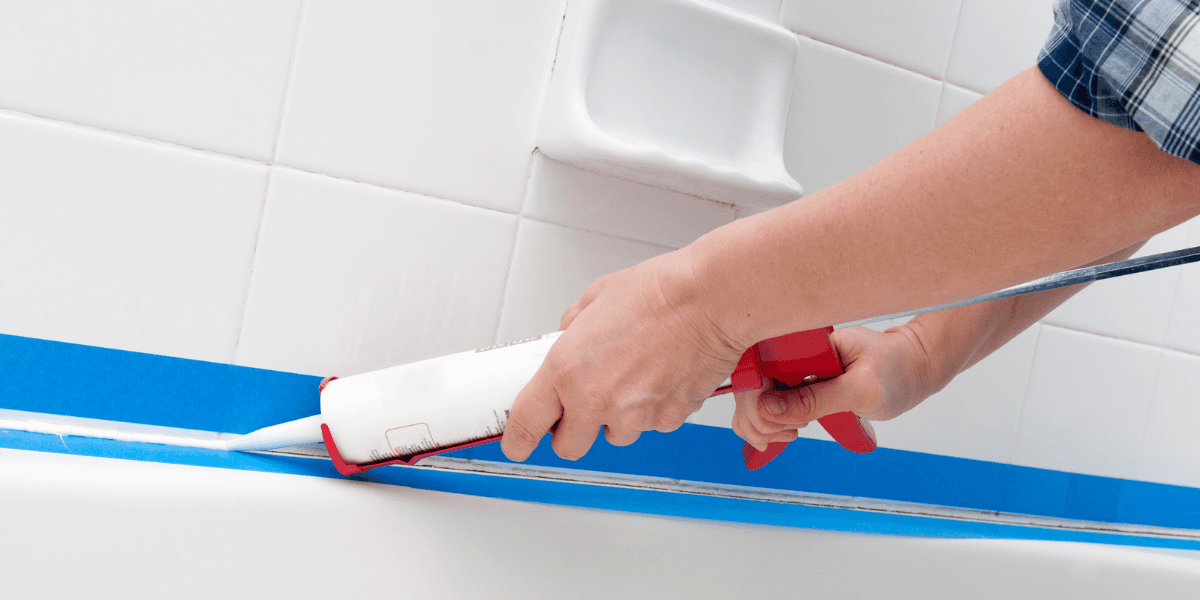
A stable bathroom is built in a typical order. Skipping steps or rushing the process is where many remodels fail. When completing a bathroom remodel Boise homeowners can rely on, the sequence matters.
1. Plumbing Installation and Leak Testing
Before any waterproof membrane is applied, plumbing must be installed and pressure tested. This ensures there are no hidden leaks behind the walls. A professional bathroom renovation contractor always tests water lines and drain systems before closing up framing.
2. Surface Preparation
Proper preparation is essential for effective bathroom waterproofing.
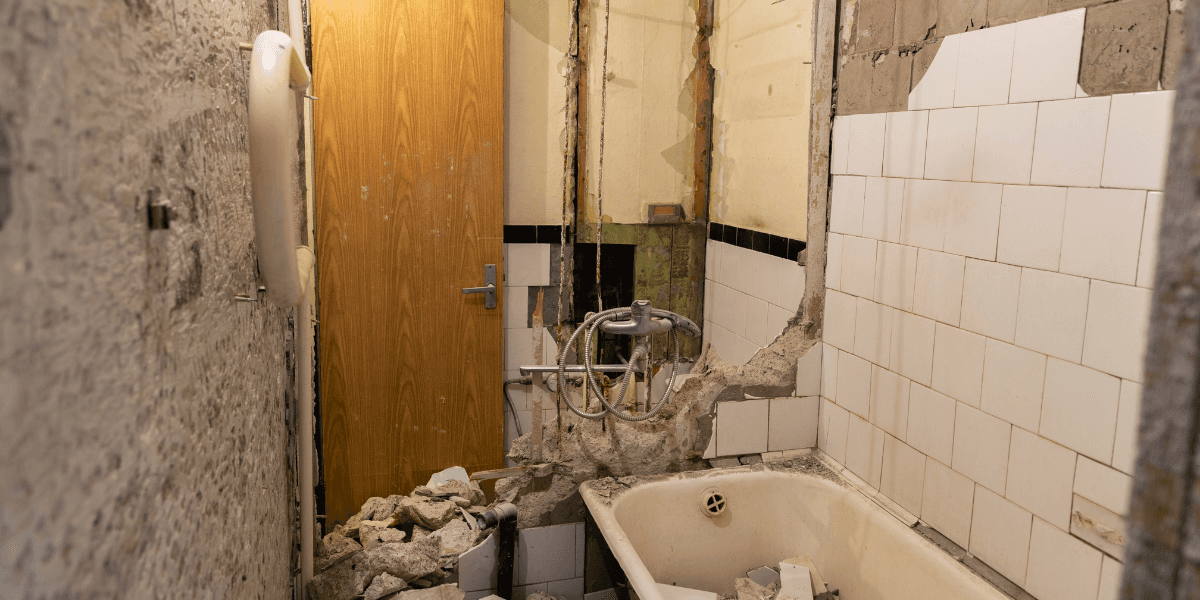
Remove old tile, grout, or damaged drywall
Clean all surfaces thoroughly.
Ensure the area is completely dry.
Repair damaged subflooring
A clean, dry surface allows membranes and sealants to bond correctly. Skipping this step often leads to membrane failure.
3. Identifying and Sealing Cracks
Even hairline cracks can allow moisture intrusion. During a bathroom renovation, professionals inspect:
Corners where walls meet floors
Seams around shower niches
Gaps around plumbing penetrations
Sealing these areas before applying membranes strengthens your bathroom moisture protection system.
Applying High-Quality Waterproof Membranes
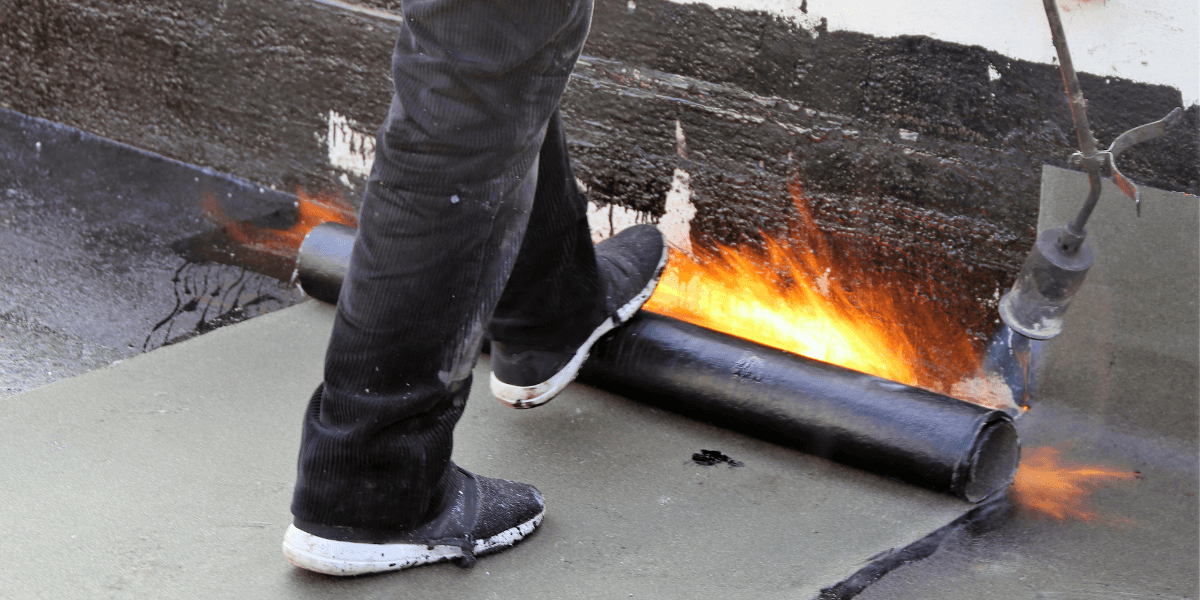
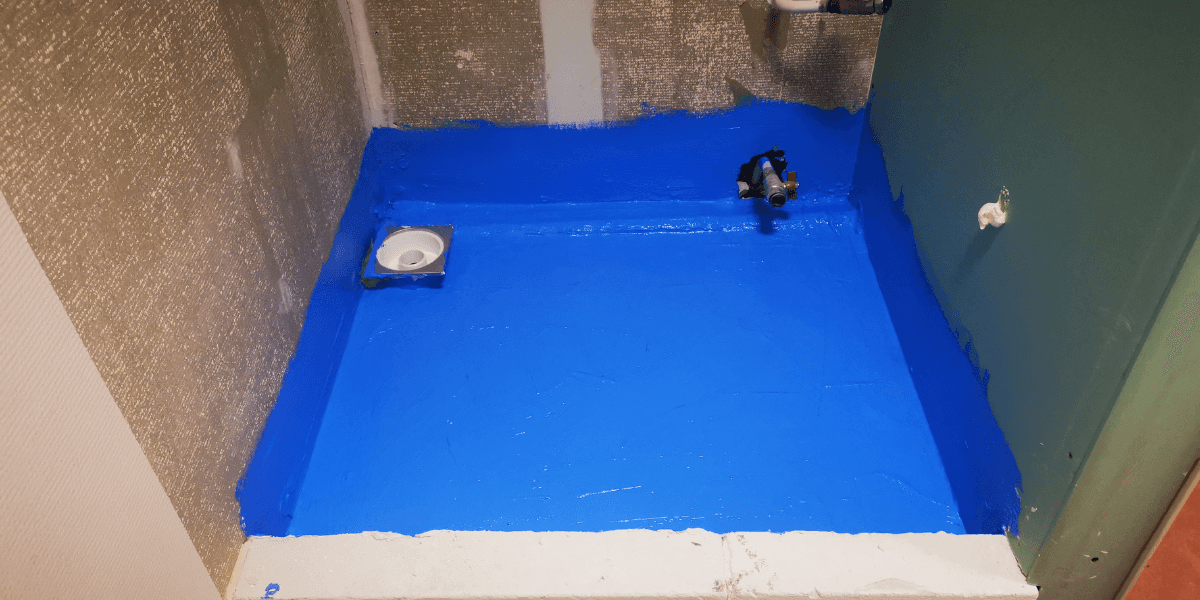
One of the most critical stages of bathroom waterproofing is applying a high-performance membrane system.
Liquid Waterproofing Membranes
Liquid membranes are rolled or brushed onto surfaces to create a seamless barrier. Once cured, they form a flexible coating that moves slightly with structural shifts, which is ideal for Idaho homes.
Membrane Board Systems
Many professional contractors use systems such as Schluter membrane boards under tile installations. These boards provide:
Integrated waterproof protection
Strong tile support
Long-lasting durability
An experience bathroom renovation contractor will determine which system best suits your space, layout, and budget.
Protecting Critical Joints and Drain Areas
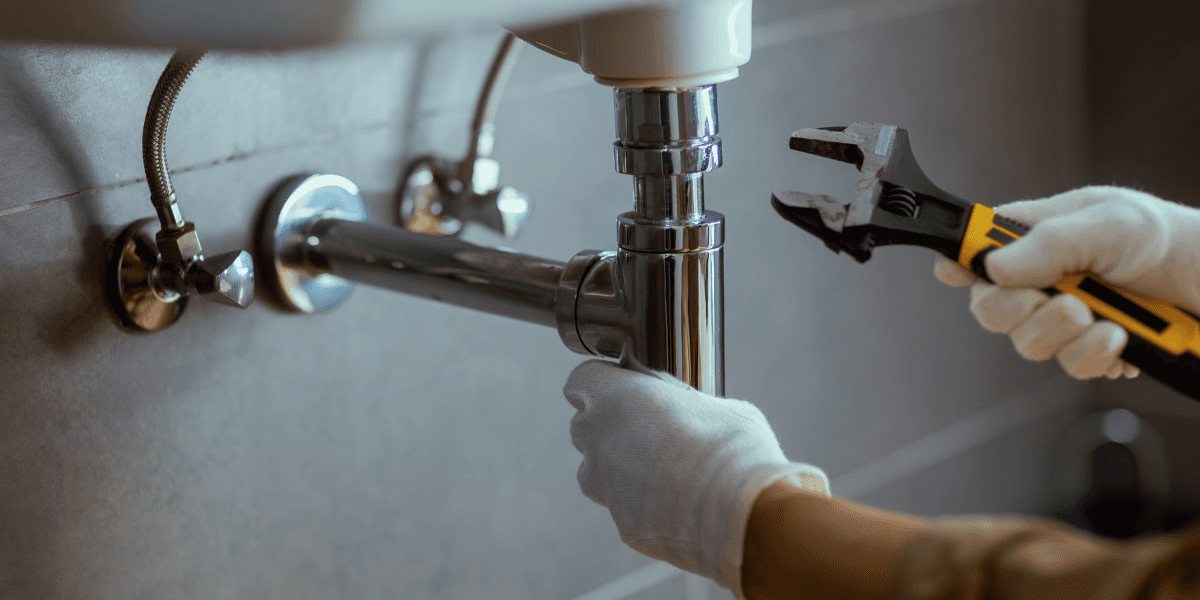
Water almost always finds its way through weak points. That is why proper sealing around transitions is essential during a bathroom remodel Boise homeowners can depend on.
Critical areas include:
Wall-to-floor intersections
Shower curbs
Drain assemblies
Tub surrounds
Plumbing penetrations
High-quality waterproof coatings, sealants, and reinforcement tapes are used to strengthen these joints. This step significantly improves overall bathroom moisture protection.
Using the Right Materials for Long-Term Durability
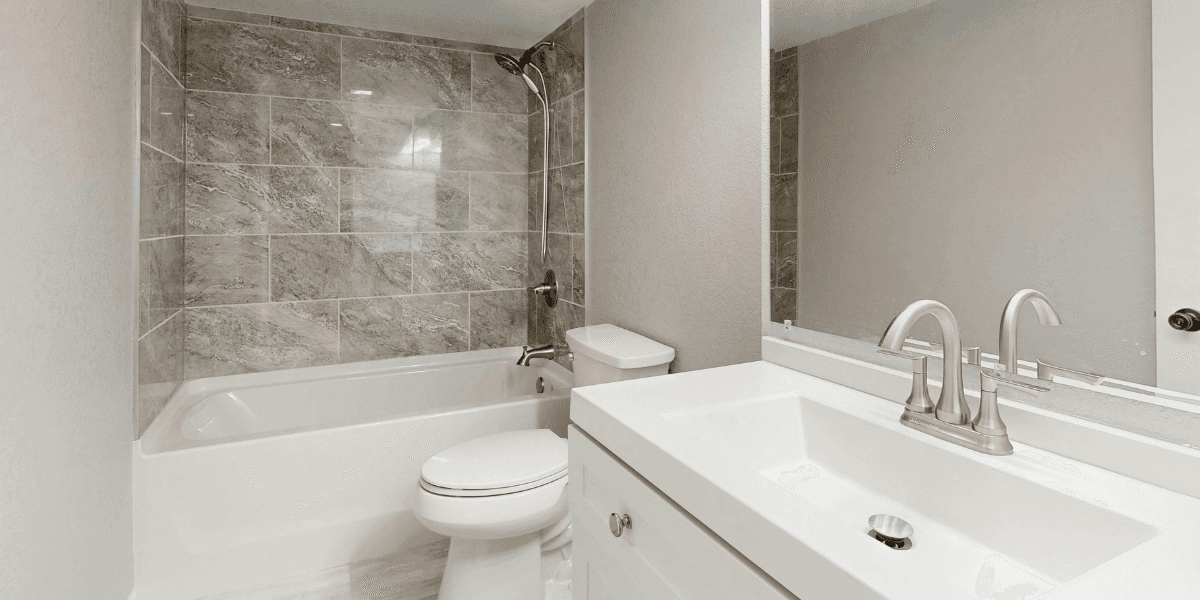
Not all materials are created equal. Choosing the correct products during your bathroom renovation makes a major difference in longevity.
Cementitious and Polyurethane Coatings
These coatings provide strong water resistance and flexibility. When professionally applied, they can last 10–15 years or more.
Epoxy Grout
Unlike traditional grout, epoxy grout resists moisture absorption and staining. It enhances both durability and bathroom waterproofing performance.
High-Quality Sealants
Silicone and specialty sealants prevent water penetration around fixtures and trim.
When you hire an experienced bathroom renovation contractor, you benefit from industry-grade materials that outperform many DIY alternatives.
Proper Drainage and Floor Slope
One of the most overlooked aspects of bathroom moisture protection is floor slope. Water must flow toward the drain rather than pooling in corners.
Professional contractors ensure:
Shower pans are correctly pitched.
Bathroom floors are slightly sloped.
Drains are securely sealed.
Improper slope leads to standing water, which can degrade grout and tile over time. A correctly installed drainage system is a key component of any successful Boise bathroom remodel project.
Cure Time: Why Patience Protects Your Investment
Waterproof membranes require time to cure properly. Most systems need 24-48 hours before tile installation begins.
Rushing this stage can:
Compromise adhesion.
Create weak spots.
Lead to premature failure.
A reputable bathroom renovation contractor will never rush curing time. It is a small investment of time that protects your entire bathroom renovation.
Ventilation: The Hidden Key to Moisture Control
Even the best bathroom waterproofing system cannot compensate for poor ventilation.
Boise homeowners should ensure:
Exhaust fans are properly sized.
Fans vent outside, not into the attic.
Humidity levels are managed year-round.
Proper airflow significantly improves bathroom moisture protection and reduces the risk of mildew growth.
Routine Inspections After Your Remodel
Once your bathroom remodel Boise project is complete, simple maintenance can extend its lifespan.
Check periodically for:
Peeling paint
Loose grout
Damp spots
Musty odors
Early detection prevents small problems from becoming major repairs. Your bathroom renovation contractor can also provide guidance on seasonal maintenance.
Why Hiring a Professional Matters
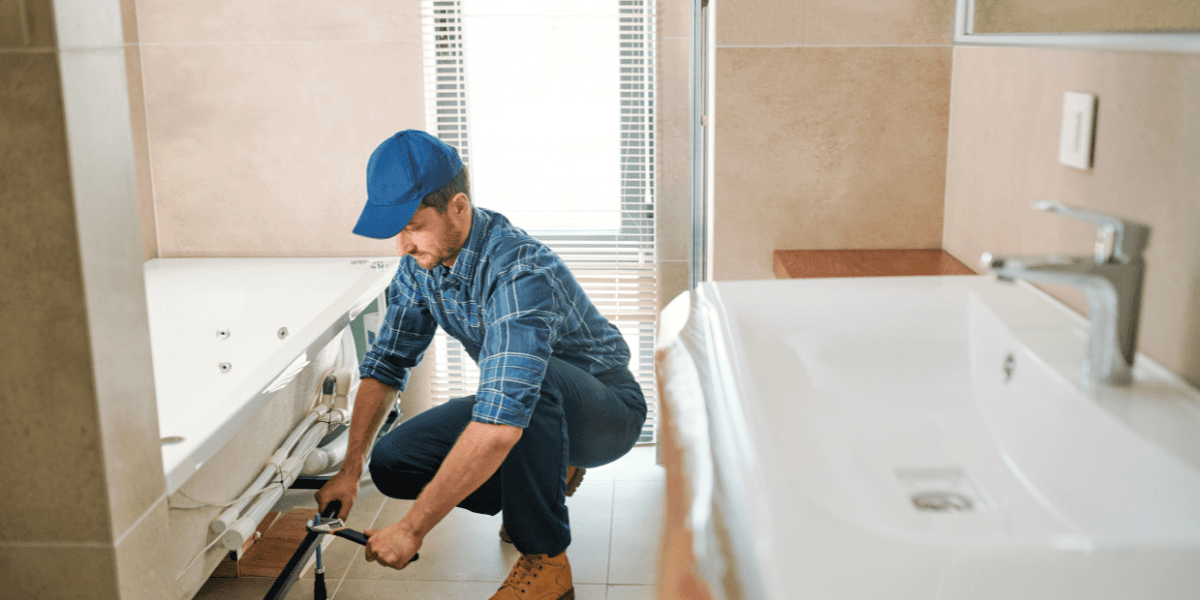
While DIY waterproofing appears easy on the internet, the reality is that errors can be quite expensive. Failing to apply it properly, missing joints, or picking the wrong product can lead to costly structural repairs that could run into the thousands.
Hiring a professional bathroom renovation contractor ensures:
Code-compliant installations
Proper material selection
Long-term durability
Peace of mind
At 1040 Built, every bathroom renovation is approached with precision and care. We understand the unique construction needs of Boise homes and build bathrooms that are not only beautiful but also built to last.
Conclusion:
Your bathroom should be a place of comfort, not a source of hidden water damage. Whether you are planning a full bathroom remodel in Boise or upgrading a dated shower, waterproofing must be a priority from day one.
Choosing the right bathroom renovation contractor makes all the difference. At 1040 Built, we combine thoughtful design with proven bathroom waterproofing systems to ensure your remodel stands the test of time. Every detail, from plumbing tests to final sealants, is handled with care.
If you are considering a bathroom renovation, now is the time to invest in long-term protection. Proper bathroom moisture protection not only safeguards your home’s structure but also preserves the beauty and value of your remodel for years to come.
Ready to build a bathroom that is both stunning and secure? Contact 1040 Built today, and let our experienced team guide you through a renovation designed for durability, performance, and peace of mind.
FAQ
How to protect bathroom walls from water damage?
Start with proper bathroom waterproofing behind the tile or wall panels. Use moisture-resistant drywall or cement board, apply a waterproof membrane, seal all joints, and maintain proper ventilation. Regular inspections also help prevent hidden water damage.
What is the cheapest way to waterproof a bathroom?
The most affordable method typically involves using cementitious waterproof coatings and moisture-resistant drywall. However, cost should not outweigh durability. Hiring an experienced bathroom renovation contractor ensures the system is applied correctly, preventing expensive repairs later.
How to stop moisture in bathrooms?
Improve ventilation with a properly functioning exhaust fan, use waterproof materials, ensure proper drainage slope, and maintain grout and sealant. Effective bathroom moisture protection combines good construction practices with ongoing maintenance.