

Home Remodeling Contractor Near Me: Why Local Boise Contractors Finish Faster Than National Chains
Interior
Exterior
new-builds
CMS
Basics
Updates
Home remodeling is a major investment, and in Boise, one of the first concerns homeowners raise is the timeline. Whether you’re renovating a kitchen, updating a bathroom, or reworking an entire floor plan, the difference between a well-managed schedule and a stalled project shows up quickly in both cost and day-to-day disruption.
Local Boise remodeling contractors often complete projects faster than national chains because they’re structured to operate locally. With nearby site access, direct communication, established relationships with regional suppliers, and a dependable network of Boise-area subcontractors, local teams can reduce common sources of delay such as slow approvals, scheduling gaps, and material lead-time surprises.
They also tend to adapt faster when conditions change during construction, which helps keep production moving while maintaining quality standards.
This blog explains why local contractors frequently deliver shorter, more predictable remodel timelines, what factors typically slow projects down, and how to evaluate a Boise remodeling contractor based on planning, scheduling, and on-site management.
What “finish faster” actually means during a remodel
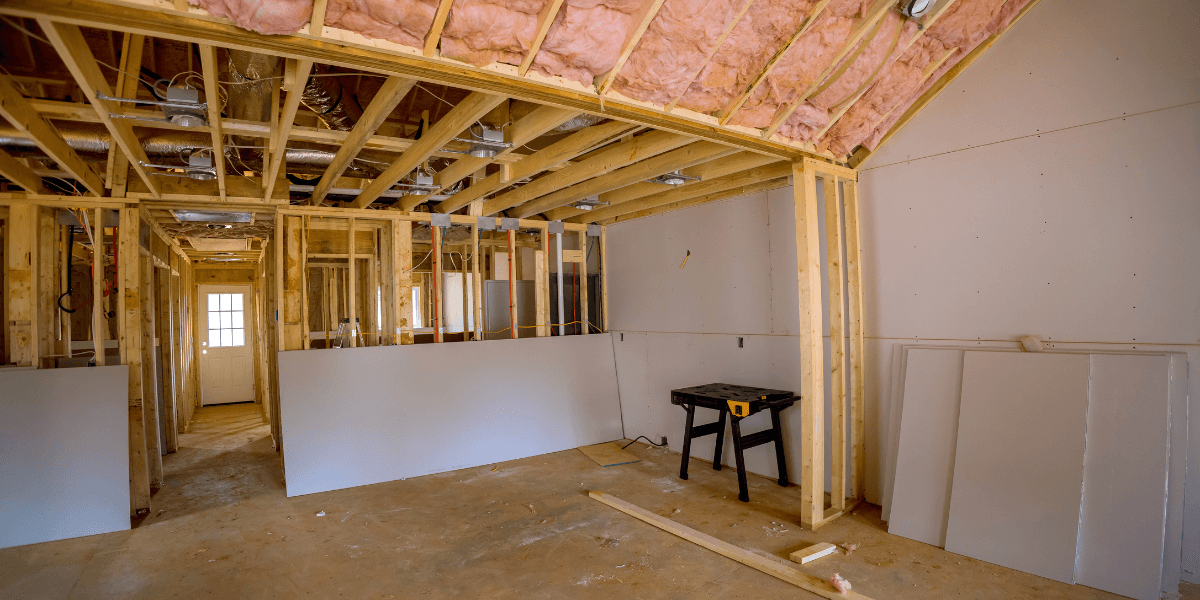
People hear “fast remodel” and imagine a crew sprinting through the job. That’s not the kind of speed you want. The best kind of fast is steady progress with minimal downtime.
A remodel drags when the project keeps hitting stop signs. Some are obvious and unavoidable, like permits and inspections. Others are preventable, like waiting a week to get a simple question answered or discovering a key material won’t arrive for six weeks.
In most Boise remodels, the timeline comes down to five things:
How complete the plan is before demo starts (scope, drawings, selections)
How quickly decisions get made once the walls are open
How well trades are scheduled and sequenced
How early materials are ordered based on real lead times
How permit and inspection steps are handled with the local jurisdiction
Local contractors often win on those points because they’re built around Boise projects and Boise logistics, not a national operating system that has to work everywhere.
Why local Boise contractors often finish faster than national chains

1) They’re close enough to solve problems the same day
Remodeling includes surprises. Even well-built homes can hide old plumbing quirks, framing changes from a past owner, or water damage that only shows up once demo begins. When that happens, time gets lost in the decision loop.
Local contractors can usually get eyes on the issue quickly and talk through options on-site. That matters because many delays come from simple back-and-forth: photos, emails, approvals, and waiting for someone with authority to make the call.
With some national chains, the decision path can be slower. The person visiting your home might not be the person who can approve a change. Or your project manager might be juggling multiple jobs across a wide area. Even a two-day lag repeated several times turns into a week or two of dead space.
Speed in remodeling often looks boring from the outside. It’s a quick site visit, a clear decision, and the crew staying productive instead of pausing.
2) Local supplier relationships reduce material slowdowns
Boise remodeling timelines don’t just depend on labor. They depend on the delivery truck showing up when it’s supposed to, the cabinet order arriving complete, and the tile being available in the quantity you need.
Local contractors work with the same regional suppliers repeatedly. Over time, that creates practical advantages:
Better visibility into what’s actually in stock locally
Faster answers on real lead times
Quicker pivots when something goes out of stock
Scheduling that matches Boise delivery patterns and vendor hours
National chains often purchase through larger systems that aren’t tuned to local inventory. Sometimes that works fine. Other times, it means longer waits, less flexibility, and a lot of “it’s in the system” conversations while your jobsite sits.
If you want a good example of how planning affects pace, take a look at Kitchen & Bathroom Renovation Checklist (Boise). Selections and ordering tend to be the difference between steady progress and a calendar full of gaps.
3) They rely on a known network of local subcontractors
Even with a great general contractor, most remodels involve specialized trades: electricians, plumbers, HVAC, drywall, tile, countertop fabrication, and sometimes structural work.
Local Boise contractors often run with a consistent group of subs. That improves speed for a simple reason: those trades know how the GC runs a job. They know the quality standard, the scheduling rhythm, and how punch lists are handled. They also know that future work depends on showing up and doing it right.
National chains may use local subcontractors too, but the relationship can be looser. If a trade is booked out, the company may rotate in someone new. That can work, but it adds risk. New-to-the-jobsite trades tend to need extra coordination, and coordination takes time.
4) Smaller crews can adjust faster when the scope shifts
Even homeowners who plan carefully end up wanting a change once they see the space opened up. Maybe you decide to move a light, add an outlet, change a vanity size, or tweak a wall detail. Changes aren’t “bad.” They just have to be managed cleanly.
Local contractors with a tight crew can often resequence tasks quickly. If the tile is delayed, they may pull forward trim work or tackle another area of the home to keep momentum. If a change affects rough plumbing, they can coordinate quickly and keep the schedule from unraveling.
Larger organizations sometimes have a harder time adjusting because they operate on rigid scheduling blocks. A change order can mean paperwork, approvals, and rescheduling that pushes work out by weeks instead of days.
The biggest timeline killers in Boise remodels (and what helps)
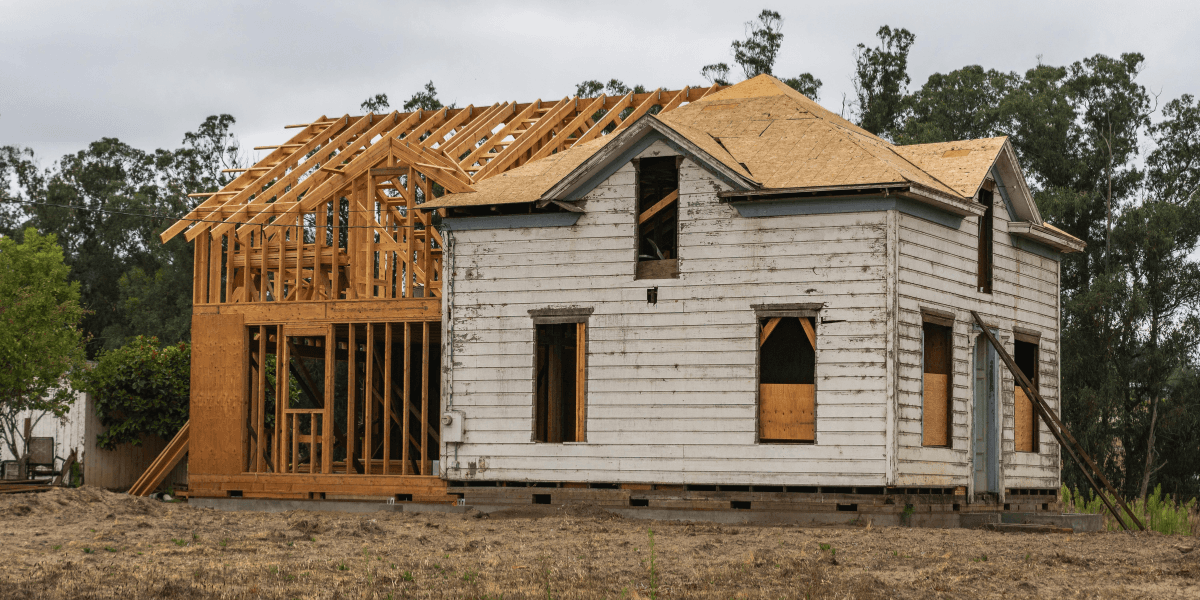
A fast contractor still can’t beat physics and lead times, but a well-run project avoids the most common traps.
Late selections stall the job
If cabinets, tile, fixtures, or flooring aren’t selected early, ordering gets delayed. Then the crew hits a point where they can’t proceed without the final product.
A solid preconstruction phase prevents this if you need a roadmap for what to decide and when, Home Remodel Checklist: From Idea to Completion lays out the planning steps that keep timelines sane.
Unclear scope creates surprise work
A vague scope leads to “I thought that was included” conversations midstream. That’s where budgets shift, and schedules slip.
Clear scope means specifics: what’s being removed, what’s being rebuilt, finishes, fixtures, and who is responsible for what. It also means discussing likely hidden conditions in older homes so the budget and schedule have room to respond.
Permit and inspection timing can add days (or weeks)
Boise projects often involve permits, especially when you move walls, change structural elements, add square footage, or modify plumbing and electrical systems. Inspections also need to be scheduled at the right moments. Missing a step or calling too late can idle a job.
Local contractors are used to the cadence of local permitting and inspections, and that experience tends to reduce avoidable downtime.
Supply chain realities still matter
Even in a strong local market, some items have long lead times: custom cabinets, certain windows, specialty tile, or unique fixtures. The fix is simple in theory: confirm lead times early, order early, and select alternates if the schedule matters.
This is one reason “near me” matters. Local pros usually know which products commonly lag and which vendors are reliable for timeline-critical work.
How to choose a fast, reliable Boise remodeling contractor

Speed is great, but speed without control creates mistakes. The real goal is predictable progress and a clean finish. Here are questions that quickly reveal how a contractor runs projects.
Ask for a real schedule with milestones
A contractor doesn’t need to promise a perfect calendar, but they should be able to outline phases and sequence:
Demo
Framing (if needed)
Rough plumbing/electrical/HVAC
Insulation (if needed)
Drywall
Cabinets and trim
Countertops
Tile and flooring
Paint
Final fixtures
Punch list and closeout
If the schedule is fuzzy, you’ll feel it later.
Find out who your day-to-day contact is
One point of contact keeps decisions moving. Ask how communication works. Weekly check-ins? Text updates? Site meetings at key milestones? Good communication is one of the quickest ways to cut wasted time.
Ask how they handle change orders
Changes happen. What you want is a clean process: written pricing, a clear explanation of timeline impact, and a documented approval before work shifts. That keeps both sides aligned and prevents “surprise” delays.
Look for project examples that match your scope
A contractor who excels at decks might not be the best fit for a complex kitchen reconfiguration. If your project involves structural work or major layout changes, review similar completed work.
For examples of the kind of structural work that often shows up in remodels, Demo & Reframing is worth a read. It gives a sense of what happens behind the walls and why planning matters.
Why 1040 Built is a strong fit for schedule-driven Boise remodels

Boise homeowners usually want two things at once: a remodel that feels personal and a process that feels organized. At 1040 Built, the focus stays on practical planning, clear communication, and realistic scheduling so the job keeps moving.
That means:
Local availability for walk-throughs and quick decisions
Preconstruction planning that reduces mid-project surprises
Coordination with trusted trades and suppliers
A build process that keeps quality high while avoiding unnecessary downtime
If you’re still early in your research phase and deciding whether you should remodel or build new, Custom Build vs. Remodel: Which Costs More Over Time? can help you weigh the bigger picture before you commit to a path.
Conclusion:
National chains can produce good work, but they often carry extra friction: slower decision loops, broader scheduling constraints, and supply systems that don’t always align with Boise realities.
Local Boise remodeling contractors tend to move faster because:
They can get to the jobsite quickly and solve problems in real time
They have established relationships with local suppliers and trades
They can adjust schedules more easily when the project shifts
Their reputation is tied directly to local homeowners and local reviews
If your priority is a remodel that keeps moving, choose a contractor who can show you a clear plan, a real schedule, and a communication style that matches how you want to work.
If you’re planning a remodel in Boise and you want realistic timing, a clear scope, and a team that stays responsive through the build, let’s talk.
You can also learn about our approach and services here: Services
FAQs:
How much does it cost per square foot to build a house in Boise?
Cost per square foot in Boise varies widely based on your finish level, the complexity of the design, site conditions, and what’s included in the build (utilities, site work, architectural details, and permitting).
Do I need a building permit in Boise for a remodel?
Many remodels require permits, especially if the project includes structural changes, additions, moving plumbing lines, new circuits, or other electrical work. Smaller cosmetic updates may not. The requirement depends on scope and jurisdiction.
Are local Boise remodeling contractors cheaper than national chains?
Sometimes national brands advertise attractive starting prices, but the final cost depends on allowances, finish selections, and how changes are handled. Local contractors may reduce “hidden” costs by preventing delays, communicating clearly, and planning material lead times upfront.
What’s the fastest way to keep a remodel on schedule?
A few habits make a big difference: lock in your selections early, respond quickly when questions come up, keep the scope clear, and stay flexible on materials if lead times threaten the schedule.