Home Extension Contractor Near Me: How to Choose the Right Builder (Boise Checklist)
Interior
Exterior
new-builds
CMS
Basics
Updates
If you’ve been searching “home extension contractor near me” and feeling overwhelmed by the options, you’re not alone. A home extension is a big move, and it’s one that affects how you live every single day. Done well, it can give you the breathing room you’ve been craving, improve flow, and add long-term value. If you don't do it well, it can snowball into months of worry, unexpected fees, and things that never seem quite right.
Homeowners in Boise have a distinct set of problems and chances. Styles of homes in different neighborhoods might be very different, and the correct builder needs to know how homes are actually built here. This blog walks you through what to look for, what to ask, and what to avoid, with a practical Boise checklist you can use right away.
Start With the Basics: Credentials You Should Never Skip
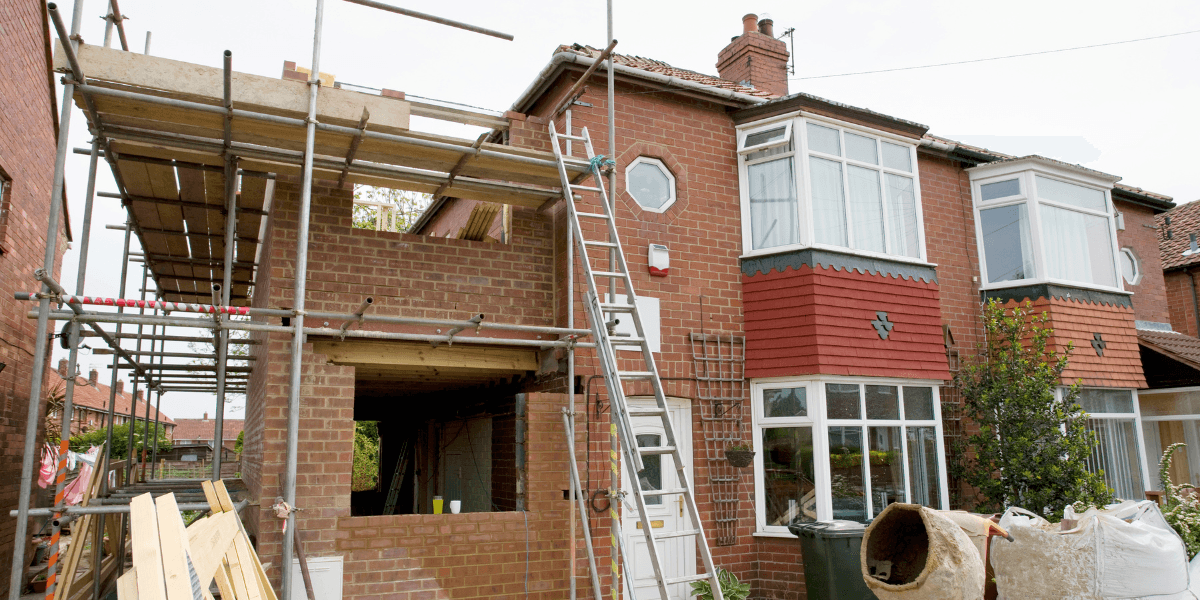
Choosing a home extension contractor should begin with the fundamentals. A friendly conversation and a nice website are not enough. You want proof that they’re qualified, protected, and operating legitimately in Idaho.
Verify Idaho registration and licensing
Idaho has specific rules around contractor registration and licensing. Before you do anything else, confirm the builder is properly registered with the state and is legally allowed to take on your project. It takes a few minutes and can save you from a costly situation later.
If a contractor hesitates when you ask where they are registered, treat that as a serious warning sign.
Ask for current insurance documentation
A reputable home extension contractor will provide proof of insurance without acting offended or evasive. Ask for documentation that shows active coverage, including general liability and workers’ compensation. This protects you if something goes wrong on-site, whether that’s property damage or an injury.
Look for clear business details and a local presence
Boise is a relationship-driven market. You want a builder with a real footprint here, not someone who pops in for quick jobs and disappears when the final punch list shows up. A local address, a consistent brand, and an established team all point in the right direction.
Local Boise Experience Matters (A Lot)
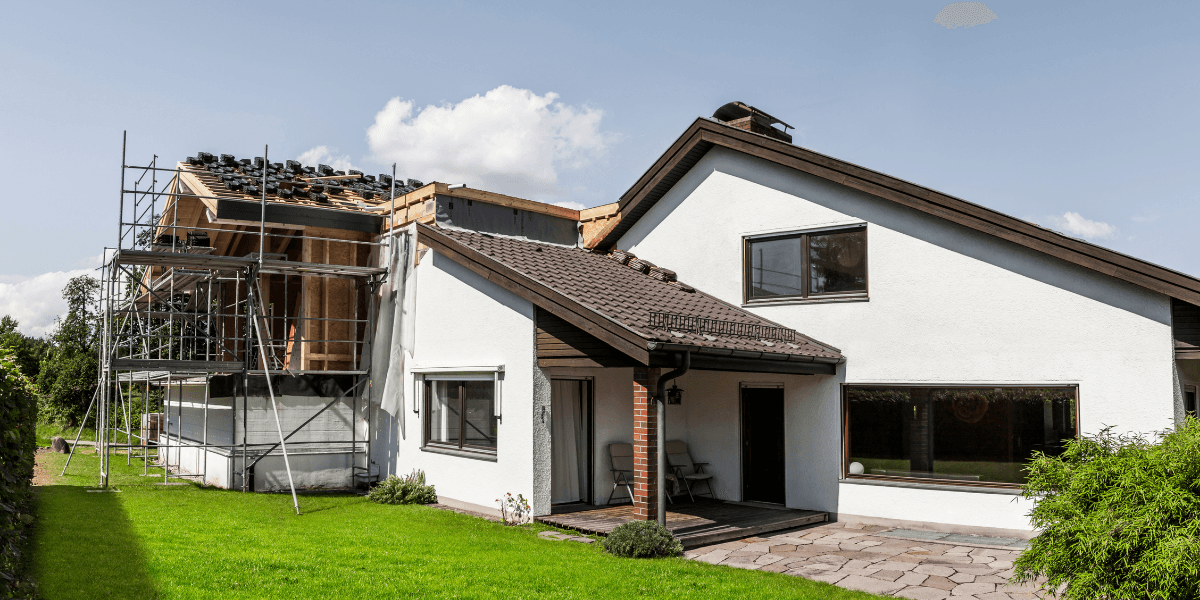
A home extension might look similar on paper in different cities, but the reality on-site is different. Boise has its own building expectations, neighborhood patterns, and inspection rhythms. Contractors who work here consistently tend to anticipate issues earlier and solve them faster.
Familiarity with Boise-area codes and inspections
Permitting and inspections are not side tasks. They shape the timeline and can shift design choices. A strong builder will speak confidently about how the city handles inspections and what typically slows projects down.
Neighborhood-specific considerations
There are additional planning and design delicacies attached to some Boise neighborhoods. Other older sections of the town such as Hyde Park tend to involve work around existing buildings, it suits architectural character and working in narrower lot sizes. And experience is even more important if you are close to the Boise River or have to deal with zoning boundaries.
A home extension contractor who has built in your part of town will usually have better instincts about what will pass smoothly and what needs extra prep.
Real remodel and renovation experience, not just new construction
Some builders shine with ground-up builds but struggle when they have to tie new work into an older home. A home extension lives at the intersection of old and new, and that transition needs skill.
Look for a team that has deep renovation experience, especially if your home is older or has been remodeled before. That kind of job requires careful planning around framing, utilities, and hidden surprises behind walls.
Review Past Work the Right Way (Not the Instagram Way)
A polished gallery might be useful, but you need more than just nice pictures. A actual home extension project reveals how the builder deals with construction, intricacy, and finishing.
Ask for completed home extension projects you can evaluate
Ask for pictures of recent, finished additions, not simply design drawings or pictures from the beginning of work. A reliable home extension contractor should be happy to show you real results, even when they are hard to do, such rooflines, matching the outside, and making the inside flow.
Ask to see projects that are similar to yours if you can. A bedroom addition, a second-story expansion, and a kitchen bump-out all involve different structural choices and sequencing.
What to look for when you study a portfolio
When you look at projects, make sure to notice how well the extension fits with the rest of the house. The best work feels like it was always supposed to be there.
Here are signs of thoughtful craftsmanship:
Clean transitions where old and new meet
Consistent exterior materials and trim lines
Interior finishes that match the home’s style
Well-planned natural light and traffic flow
Get Bids You Can Actually Compare
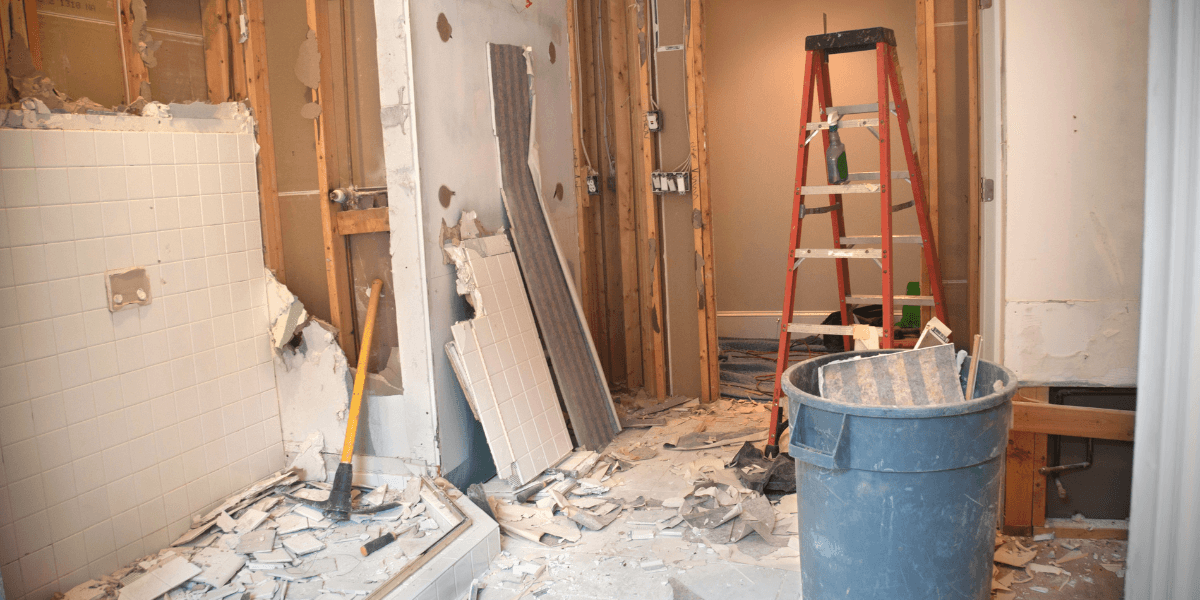
A lot of homeowners have trouble with pricing. You will see three distinct numbers, and you will question if they are all talking about the same job. The answer is easy: ask for quotes that are clear and broken down.
Request line-item estimates, not a single lump sum
A professional home expansion contractor will provide you a written estimate with a list of costs. This makes it easier to find missing parts and compare ideas. It also lowers the likelihood of unexpected costs later on because the scope is clearer from the outset.
A quote should be specific enough that you can see where the money is going, especially around demolition, framing, mechanical work, finishes, and cleanup.
Get at least three quotes and compare scope, not price
Three bids is a solid target for most homeowners. When you review them, don’t focus only on the total. Look for differences in what’s included. One builder may include permit handling and engineering, while another leaves it to you. One may budget properly for site protection while another barely mentions it.
This is also where you’ll get a clearer view of the house extension cost. The number is influenced by structural complexity, finish level, and how much rework is required to blend the new space into the existing home.
Ask what typically causes house extension cost to rise
A good contractor won’t pretend surprises never happen. Instead, they’ll explain what tends to change budgets and how they manage it.
Common cost drivers include:
Structural surprises behind walls
Utility relocations or upgrades
Material lead times and substitutions
Change requests after construction starts
If a builder acts like every home extension is perfectly predictable, that’s a sign they may be glossing over real-world conditions.
Contracts, Warranties, and Payment Terms: Read the Fine Print
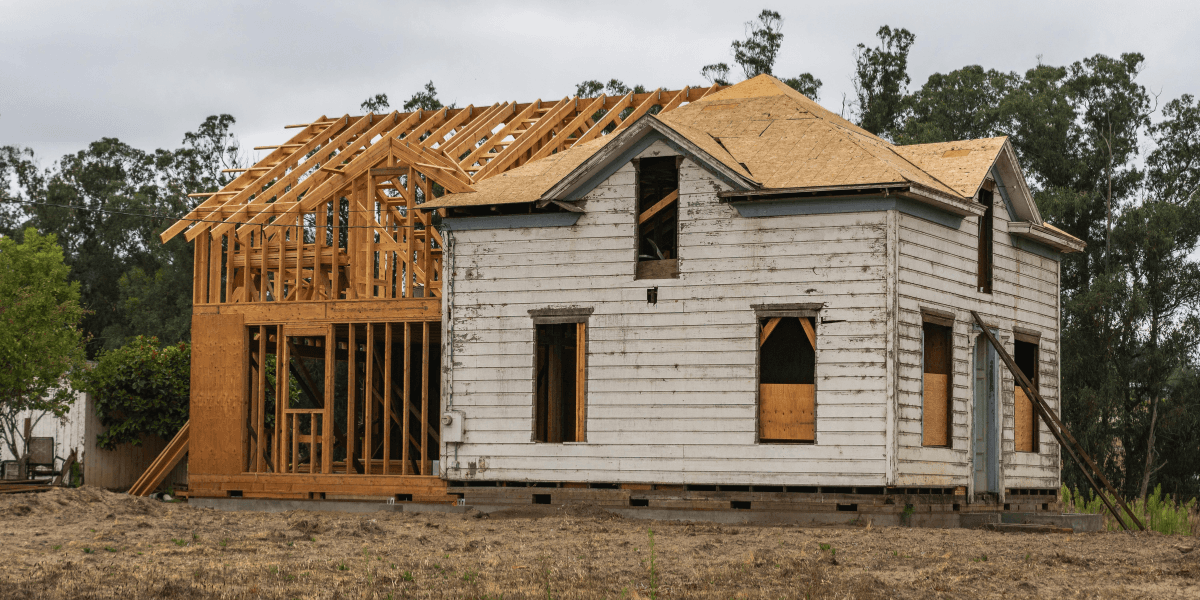
This is the section that many homeowners skip over, and that's where troubles start. A professional agreement makes sure that both sides are safe and provides clear expectations.
What your contract should cover
You want a contract that spells out scope, timelines, payment structure, and materials. It should also explain how changes are handled and how disputes are resolved.
Key items to look for:
Clear description of the work and materials
Payment schedule tied to milestones
Start date and projected timeline range
Change order process in writing
Cleanup expectations and site rules
A contract should be easy to read, not like a jumbled mess of unclear words.
Warranty on workmanship
Ask directly what warranty the builder offers on workmanship and what it covers. A reputable home extension contractor will be clear about it. This is especially important where new work ties into the old home, such as roofing transitions, siding connections, and interior finish matching.
Payment schedules that feel fair
A balanced payment plan should show real progress. Be careful with payment conditions that ask for a lot of money up advance without a defined schedule of milestones. You want the project to move forward with accountability at each phase.
Communication Style Will Make or Break Your Experience
People often focus on design and price, but communication is what you live with day to day during the build. Your builder should be responsive, clear, and respectful of your home and routine.
What good communication looks like on a home extension
Ask how updates are delivered and how often. The format matters less than consistency. A solid builder will also explain material choices, structural needs, and trade scheduling in a way that makes sense, without talking down to you.
Questions you should ask before signing
These questions help you understand capacity, planning, and responsibility:
How many projects are you running right now?
Who will be my main point of contact each week?
Will you manage design coordination and permits?
How do you handle schedule shifts and material delays?
What is your change order process?
If answers feel vague or rushed, trust that instinct. You want clarity early, before walls come down.
Red Flags to Watch for Before You Commit
Some warning signs show up early. Paying attention now can save you from a painful experience later.
Extremely low bids
If one quote is drastically cheaper, it often means something is missing. That can show up later as shortcuts, low-quality materials, or a flood of change orders. A realistic home extension contractor will price the job based on the true scope.
Refusal to provide references
A builder with a solid track record should be comfortable sharing references. Ask for at least three clients, ideally in the Treasure Valley, and ask about timeline, budget accuracy, and communication.
No local address or inconsistent business identity
A builder who cannot point to a stable local presence may be difficult to reach once the job gets complicated. You want someone accountable in the Boise area, especially when inspections, warranty work, or final adjustments come up.
How 1040 Built Approaches Home Extension Services in Boise
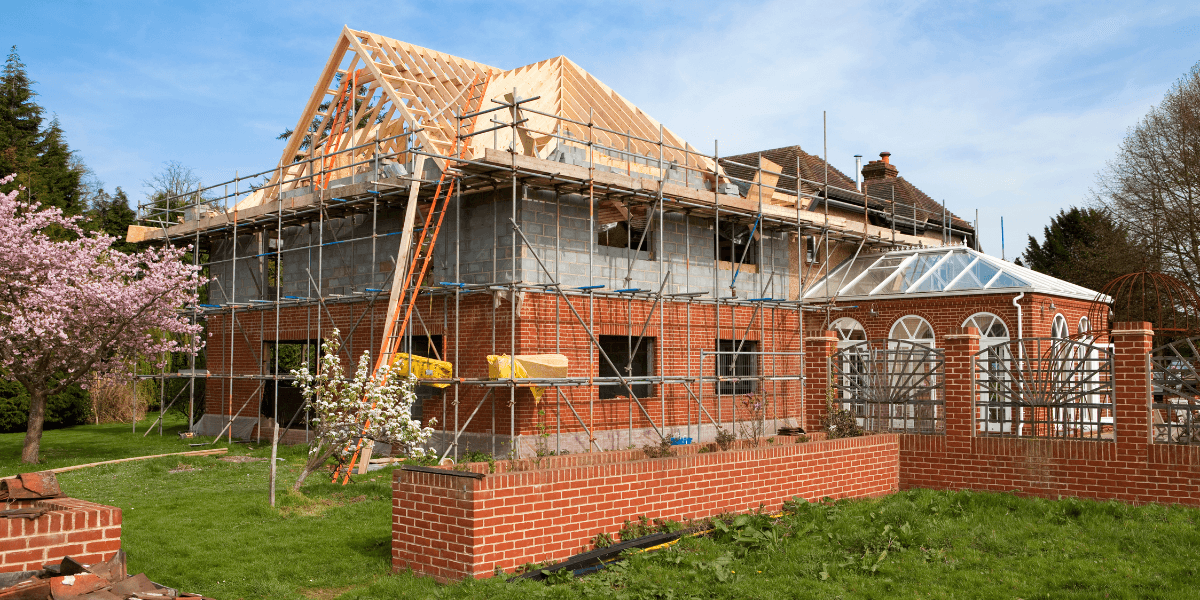
When you’re comparing builders, it helps to understand what a well-run process feels like. At 1040 Built, projects are approached with careful planning, skilled execution, and a focus on craftsmanship that blends naturally with your existing home.
Home extension services work best when the builder treats your space like a living home, not a construction zone. That means thoughtful scheduling, clear communication, and strong coordination with trades so progress stays steady.
If your long-term plan includes additional upgrades, some homeowners also tie a home extension into broader renovations or even future custom built homes. A contractor who understands both remodeling and high-quality new construction can help you think ahead and build with purpose.
Conclusion
Finding the right “home extension contractor near me” comes down to a few core principles: real local experience, clear documentation, detailed bids, and communication that feels steady from day one. A home extension is a major investment, and the right contractor will treat it with the care it deserves, from planning through finishing details.
If you’re planning a home extension in Boise and want to talk through ideas, scope, and realistic house extension cost ranges, reach out to 1040 Built, and let’s start the conversation.
FAQ
What is the best home building checklist?
Start with the essentials: confirm registration and insurance, review completed projects, talk to references, and get detailed quotes you can compare. Add a contract review and a clear communication plan before you sign anything. If the builder handles permits and scheduling well, that’s a major plus.
What would you look for in checks when selecting a contractor?
Look for proven local experience, clear line-item bids, strong references, and transparent communication. A reliable home extension contractor can explain your scope, timeline, and likely risks in plain language, without dodging details.
How long does a typical home extension project take in Boise?
Timelines depend on scope and permitting. Smaller additions may take a few months, while larger projects like second-story work can take longer. The best way to get a realistic schedule is to ask your contractor for a timeline range that includes permitting, lead times, and inspections.
Do I need permits for a home extension in Idaho?
In most cases, yes. Boise-area projects typically require permits, especially when you’re changing structure, adding square footage, or modifying electrical and plumbing. A contractor familiar with the local process can guide you through what’s required and when inspections happen.
How can I reduce house extension cost without compromising quality?
Start by keeping the footprint efficient and limiting complex structural changes when possible. Choose durable, practical finishes where it makes sense and reserve premium upgrades for the areas you’ll enjoy daily. Good planning reduces waste, delays, and rework, all of which can drive home extension cost higher.